


When the Past Still Feels Present
You may know, logically, that what you went through is over — and yet your body doesn’t seem to agree. Memories surface when you least expect them. Anxiety or sadness can show up out of nowhere. You might feel on edge, shut down, or exhausted from carrying things you’ve already talked about again and again.
If this sounds familiar, there’s nothing wrong with you. These are often signs that your nervous system is still holding onto painful experiences in a way that hasn’t fully healed yet.
Trauma isn’t only about what happened — it’s about how those experiences were stored in the body and brain. And sometimes, insight and willpower alone aren’t enough to help them let go.
A Different Way of Healing
Learn more about EMDR:
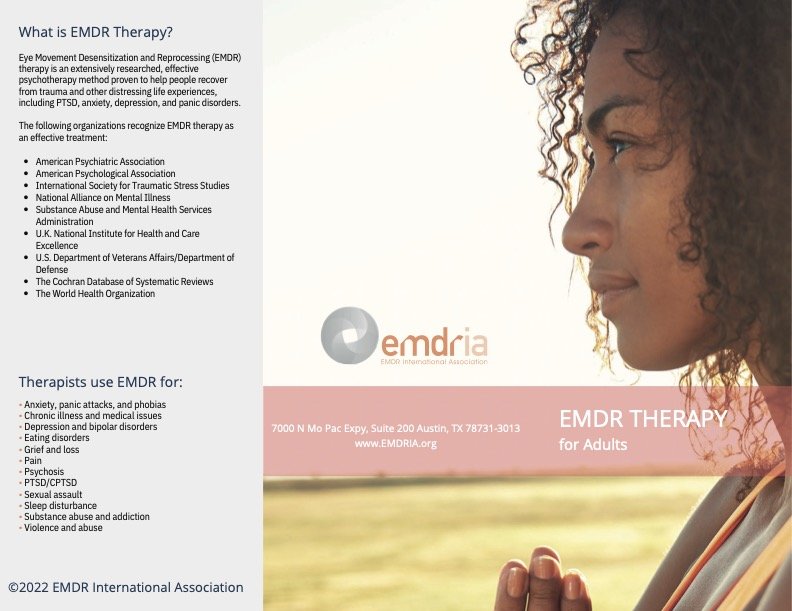
EMDR (Eye Movement Desensitization and Reprocessing) is a therapy approach that helps the brain gently reprocess painful memories so they no longer feel so raw or overwhelming. Rather than asking you to relive the past in detail, EMDR works with your nervous system to help experiences that feel “stuck” move toward resolution.
Many people seek EMDR for trauma or PTSD, but it can also be helpful for anxiety, depression, emotional numbness, and lingering effects of difficult life experiences that still show up in the present.
Healing doesn’t have to mean pushing yourself harder. It can mean creating the right conditions for your system to finally feel safe enough to heal.
What trauma can look like
Anxiety or panic that comes and goes unexpectedly
Depression or emotional numbness
Feeling easily overwhelmed or irritable
Intrusive memories, flashbacks, or body sensations that trigger distress
Repeating patterns you can’t seem to shake
These are common responses — not a sign of weakness. Your mind and body are trying to protect you, even if it doesn’t always feel that way.
What EMDR is (and isn’t)
You stay present and in control. You’ll never be forced to revisit anything you’re not ready for.
Your nervous system gets support. EMDR helps shift how memories and body sensations are stored, so triggers feel less overwhelming over time.
It’s structured and paced for you. Sessions move at a pace that feels safe and manageable.
It works alongside your strengths. You’ll learn ways to stay grounded, calm, and resourced while processing difficult experiences.
EMDR is effective for trauma and PTSD, but it can also help with anxiety, depression, emotional numbness, and lingering effects of difficult life experiences. The goal isn’t to erase memories — it’s to help them feel safe, integrated, and less disruptive in your daily life.
Collaborative approach: You are in the driver’s seat. I guide and support, but you decide the pace.
Gentle and attuned: I help you feel safe in your body and mind, so processing difficult memories doesn’t feel like reliving them.
Practical grounding skills: We build tools to manage anxiety, distress, and triggers both inside and outside of sessions.
Focus on your unique experience: No one-size-fits-all approach. EMDR is tailored to your history, needs, and goals.
Cozy, calm environment: My aim is to provide a space that feels inviting, calm, and supportive — a place where you can truly exhale.
What working with me is like
Working together is about moving at a pace that feels right for you and helping your nervous system, mind, and emotions feel safer, more regulated, and more integrated.

Practical Details
I work with adults in New Mexico and Arizona via telehealth. Sessions are tailored to your needs and pace. I accept select insurance plans and offer self-pay options. If you’re unsure about coverage, reach out to confirm.
Take the next step
If EMDR feels like it might be a fit for you, I invite you to schedule a free consultation or reach out with any questions. We’ll talk through your goals, answer your questions, and see if this approach feels right for you.
Healing doesn’t have to happen alone — you deserve a safe space to move forward.